Introduction
Transporting high-value industrial machinery is a complex process that demands precise engineering, secure handling, and most importantly, reliable packaging. Each piece of equipment carries immense operational and financial importance—making damage prevention a top priority. Traditional packaging methods simply aren’t sufficient for heavy-duty assets; instead, custom packaging designed to the exact dimensions, weight, and handling requirements of the machinery ensures protection during storage and global transit.
For over four decades, CMTP has delivered custom industrial packaging solutions tailored to safeguard large machinery and sensitive manufacturing equipment across Australia and beyond.
The Importance of Specialised Packaging for Machinery
Machinery packaging is not a one-size-fits-all process. Each asset differs in terms of design complexity, fragility, value, and transport conditions. Custom packaging combines engineering, materials science, and logistics strategy to minimise risk during every stage of transit.
A single dent, vibration, or moisture breach can result in misalignment, electrical malfunction, or complete operational failure. Using purpose-built packaging ensures optimal load distribution, stability, and protection from vibration, shock, corrosion, and environmental contaminants.
Key Benefits of Custom Packaging for Machinery
1. Superior Structural Integrity
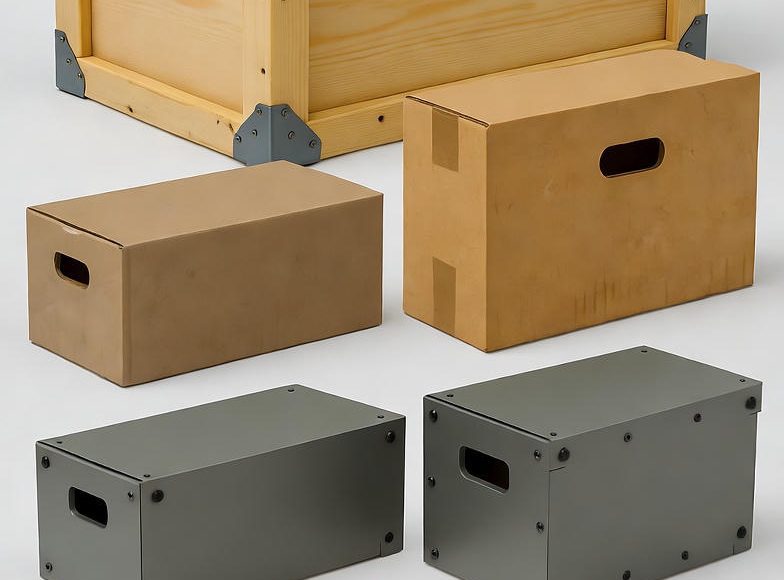
Custom packaging uses engineered wooden or composite crates, often reinforced with steel bracing or shock-absorbing frames. These crates are precisely built to support machinery weight distributions and prevent deformation or movement under impact.
2. Vibration and Shock Resistance
Heavy equipment shipments face dynamic forces during road, air, and sea transport. Advanced cushioning, vibration isolation mounts, and internal foaming systems absorb shocks and prevent sensitive components from shifting.
3. Moisture and Corrosion Protection
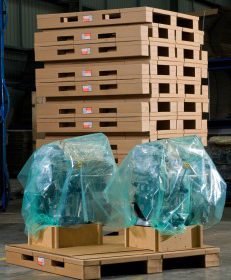
High-value machinery, particularly those with metal components, is susceptible to corrosion from humidity. Custom packaging often includes VCI (Volatile Corrosion Inhibitor) wraps, heat-sealed liners, or desiccant bags to prevent rust during long transits or offshore storage.
4. Load Balancing and Secure Support
Every machine structure requires balanced load management for stability. Custom packaging uses blocking, bracing, and lashing to immobilise the unit, preventing stress on delicate assemblies and motors.
5. Environmental Adaptability
Industrial shipments often face diverse conditions—from coastal humidity to high-temperature inland routes. CMTP’s packaging technicians utilise moisture-resistant timber, composite panels, and rust-protective foils compliant with international standards to guarantee machine safety under all conditions.
Compliance with Export Standards and Safety Regulations
Australia’s export packaging regulations mandate compliance with international shipping standards for wood and durable packaging. All CMTP timber crates and cases are ISPM 15 certified—meaning they are heat-treated to eliminate pests and meet global import regulations.
For details, visit ISPM 15 Pallets – Australian Government Biosecurity.
Proper documentation, labelling, and certifications streamline customs clearance while complying with ISO packaging standards for durability and material traceability.
Design and Engineering Excellence in Machinery Packaging
When designing packaging for high-value machinery, CMTP employs precision CAD tools to model structure stress points, load distribution, and transportation forces. This process ensures every crate design withstands real-world conditions while maximising material efficiency.
In addition to timber crates, CMTP offers hybrid solutions with structural steel, anti-slip bases, and corrosion inhibiters—all manufactured to specific machinery geometry. On-site packing services are also available across Victoria, New South Wales, and Queensland for large or immovable machinery.
Learn more about custom case and crate designs.
Ensuring Safety Across Multiple Transport Modes
Whether it’s domestic road freight or international sea cargo, each mode presents different challenges for machinery packaging.
Road transport: requires vibration absorption and strong bracing to prevent shifting.
Sea freight: demands moisture-proof barriers and corrosion-resistant materials.
Air transport: calls for lightweight crates with maximum shock resistance to reduce turbulence impact.
By aligning packaging design with the chosen logistics pathway, the risk of mechanical distortion or deformation is significantly reduced.
Sustainability in Custom Packaging
Modern packaging design isn’t only about protection—it also embraces sustainability. CMTP sources certified timber from renewable Australian plantations and recycles offcuts. Reclaimed or recyclable materials help reduce carbon footprint without compromising strength or integrity.
For high-value machinery that ships multiple times annually, reusable crates or modular packaging systems can further reduce waste and long-term costs.
Conclusion
Custom packaging is the unsung hero of heavy machinery logistics. It prevents damage, simplifies compliance, and ensures equipment integrity throughout the shipping journey. From reinforced designs to corrosion prevention and regulatory compliance, CMTP provides end-to-end packaging expertise trusted by leading Australian manufacturers and international exporters.
If your business needs durable, compliant, and sustainable packaging for large equipment, contact CMTP’s Custom Packaging Team or speak to a packaging engineer for tailored options.
FAQs About Custom Packaging for Machinery
Why is custom packaging essential for machinery exports?
Because machinery is uniquely shaped and valuable, custom packaging ensures safe transit, proper weight handling, and protection from impact or corrosion.
What materials are used for industrial machinery crates?
Typically heat-treated timber, plywood, steel reinforcement, and corrosion-resistant linings such as VCI and foil wraps.
How does packaging protect machinery from vibration?
Shock-absorbing pads, foam cushioning, and vibration isolation mounts prevent machinery from shifting or experiencing structural stress.
What is blocking and bracing in packaging?
These techniques involve using timber blocks and metal braces to secure machines firmly inside containers or crates, preventing movement during transit.
Are CMTP’s crates export-compliant?
Yes. All CMTP timber packaging is ISPM 15 certified and meets international export compliance requirements.
Can packaging be customised for large or irregular machinery?
Absolutely. CMTP designs fully bespoke packaging and offers on-site services for oversized or fragile equipment.
How is moisture managed in machinery packaging?
VCI liners, desiccant bags, or vacuum-sealed barriers protect metal parts from rust or moisture exposure.
How does sustainability fit into industrial packaging?
CMTP uses sustainable Australian-sourced timber and designs reusable packaging options to reduce waste.
What industries use CMTP’s custom packaging?
Industries include mining, defence, manufacturing, renewable energy, and machinery exports across global destinations.
Can CMTP help with on-site machinery packing?
Yes, CMTP provides on-site packaging and crating services, ensuring safe and efficient protection at the client’s location.