Choosing the right pallet type is not just a warehouse decision — it’s a logistics strategy. Whether you’re moving fragile goods across town or exporting heavy machinery overseas, selecting between custom pallets and standard pallets can significantly affect your efficiency, compliance, and costs.
In this article, we’ll explore the differences between custom and standard pallets, the benefits of each, and how to choose the best option for your business.
What Are Standard Pallets?
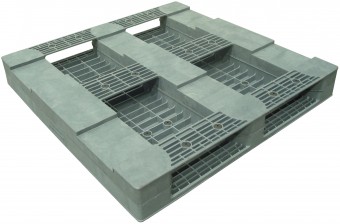
Standard pallets are pre-manufactured pallets built to commonly used dimensions and load capacities. In Australia, the most common size is 1165 x 1165 mm, also known as the CHEP pallet standard.
These pallets are widely accepted by local freight companies, fit most warehouse racking systems, and are ideal for general-purpose use.
Common uses for standard pallets:
- Retail and wholesale product distribution
- Food and beverage logistics
- Warehousing and third-party logistics (3PL)
- Transporting boxed, bagged, or uniform goods
What Are Custom Pallets?
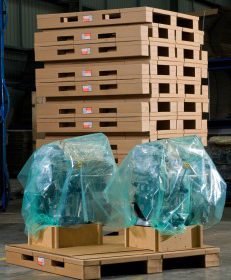
Custom pallets are designed and built specifically to fit non-standard loads, irregular items, or specialised transport requirements. They vary in size, material, and construction based on your product specifications.
CMTP manufactures custom pallets in both hardwood and softwood, with load-bearing features, reinforcements, and designs tailored for unique use cases.
Examples of custom pallet applications:
- Machinery and capital equipment
- Oversized crates or bins
- High-value or delicate products
- Export items requiring ISPM-15 certification and fit
Key Differences Between Custom Vs Standard Pallets
| Feature | Standard Pallets | Custom Pallets |
| Size | Fixed (usually 1165 x 1165 mm) | Tailored to product dimensions |
| Load Capacity | General-use, up to 1 tonne | Optimised per weight/distribution |
| Cost | Lower upfront cost | Higher, but efficient long-term |
| Design Flexibility | None | Full customisation available |
| Export Compliance | Limited to local standards | Built to meet international rules |
| Lead Time | Readily available | Requires production time |
When to Choose a Standard Pallet
A standard pallet is best when:
- Your products are uniform in size and shape
- You need a quick, affordable solution
- You’re shipping domestically within Australia
- You’re using third-party logistics providers with standard handling systems
If your needs are basic and your freight falls within normal limits, standard pallets can offer the best value.
When Custom Pallets Make More Sense
Custom pallets should be your go-to option if:
- Your product dimensions are irregular or oversized
- You are exporting overseas and need compliance (e.g. ISPM-15)
- Your cargo requires added protection, bracing, or forklift access on multiple sides
- You want to reduce void fill or packaging waste by fitting the pallet perfectly to your product
Custom designs also reduce the risk of product damage in transit by limiting unnecessary movement.
Freight Efficiency and Cost Considerations
While standard pallets offer initial savings, they may cost more in freight if your products do not fully utilise the pallet space. Wasted cubic space often leads to paying for air during transport. Custom pallets allow you to maximise container usage, reduce shipment volume, and lower handling costs.
For businesses shipping bulky or irregular-shaped products, custom pallets can offer a clear return on investment.
Custom Pallets and Sustainability
Custom pallets can help reduce packaging waste and improve sustainability outcomes. By creating a tighter product-to-pallet fit, you reduce the need for unnecessary materials like stretch wrap, cardboard inserts, and foam fillers.
CMTP uses timber sourced from certified sustainable forests and offers pallet recycling and refurbishment programs to further support environmentally conscious supply chains.
Integration with Machinery and Automation
As more businesses invest in automated storage and retrieval systems (AS/RS), pallet compatibility becomes essential. Custom pallets can be tailored to meet exact requirements such as roller spacing, forklift entry points, or conveyor tolerances.
Working with CMTP’s engineering team ensures that your custom pallets won’t disrupt production or warehouse automation.
Industry Use Cases
Manufacturing & Industrial
Heavy equipment often requires custom bracing or hardwood bases to support weight. Standard pallets won’t do the job safely or legally.
Agriculture & Produce
Produce bins and crates often vary in size. Custom pallets ensure stability during field-to-store transport.
Export Logistics
International shipments require not only custom sizing but also ISPM-15 compliance. CMTP builds and stamps certified pallets for worldwide delivery.
Browse our custom packaging services for export-ready solutions.
CMTP’s Custom Pallet Process
At CMTP, ordering custom pallets is simple:
- Initial consultation with our packaging engineers
- Material selection based on load and use (hardwood, pine, etc.)
- CAD design to optimise pallet structure and cost
- Treatment options including ISPM-15 heat treatment and kiln-drying
- Delivery from one of our national locations across Australia
We’ve delivered custom pallet solutions for clients in food, pharma, government, and industrial sectors for over 45 years.
Explore our wooden pallet range to get started.
Final Thoughts
Choosing between custom and standard pallets doesn’t have to be complicated. If your shipping needs are straightforward, standard pallets are reliable and cost-effective. But for businesses dealing with non-standard products or strict shipping requirements, custom pallets offer superior safety, compliance, and value. Need help deciding? Get a quote today and let CMTP help you choose the right pallet for your next shipment.