Introduction
ISPM 15, or the International Standards for Phytosanitary Measures No. 15, is a critical global standard regulating the treatment and marking of wood packaging materials used in international trade. The regulation aims to prevent the spread of harmful pests and diseases that can be transported via untreated timber packaging, such as pallets, crates, and skids. For Australian exporters, compliance with ISPM 15 is mandatory when shipping goods internationally, ensuring smooth customs clearance and protecting Australia’s unique environment from biosecurity risks.
What ISPM 15 Entails
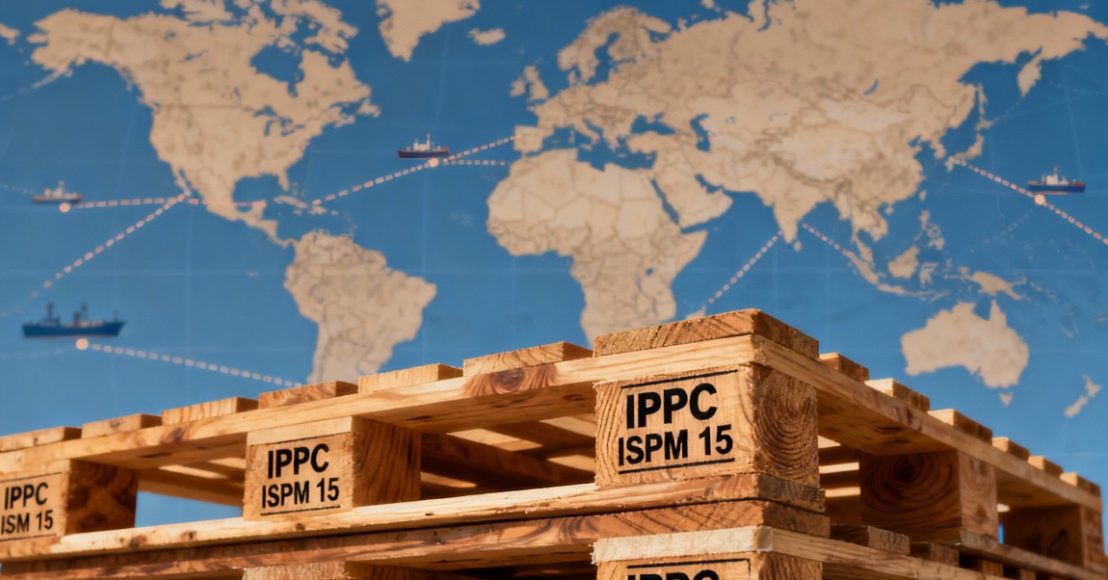
ISPM 15 requires that all solid wood packaging materials thicker than 6 millimetres undergo approved treatments such as heat treatment (HT) or fumigation with methyl bromide (MB), though MB is being phased out globally due to environmental concerns. Treated wood must then be marked with an internationally recognised certification stamp that includes the IPPC logo, country code (“AU” for Australia), a unique facility number, and the treatment method (e.g., HT).
Australia’s Biosecurity and Compliance Measures
Australia incorporates ISPM 15 standards within its Biosecurity Import Conditions (BICON). The Department of Agriculture monitors compliance rigorously, requiring clear documentation and shipment declarations for all wood packaging entering or leaving the country. Non-compliant timber packaging can be subject to costly treatments, re-export, or destruction, leading to shipment delays and financial losses. Australian exporters should ensure that their packaging providers participate in certified schemes like the Australian Wood Packaging Certification Scheme (AWPCS) to guarantee compliance.
Benefits of ISPM 15 Compliance
Adhering to ISPM 15 not only ensures hassle-free international shipping but also protects Australia’s agricultural industries, natural ecosystems, and trade reputation. By preventing pest infestations and meeting international trading partner requirements, ISPM 15 compliance optimises market access and minimises the risk of expensive biosecurity infringements.
ISPM 15 Treatment Methods: Heat Treatment vs. Fumigation
ISPM 15 allows two primary methods to treat wooden packaging materials: heat treatment (HT) and fumigation with methyl bromide (MB). Heat treatment involves heating the wood in a kiln or using dielectric heating to reach a core temperature of 56°C or higher for at least 30 minutes. This eliminates pests and pathogens without chemicals, making it the preferred method worldwide. Heat-treated pallets are chemical-free, safer for sensitive goods like food and pharmaceuticals, and generally more durable due to reduced moisture content.
Fumigation with methyl bromide is a chemical process that kills pests using a toxic gas. While effective, methyl bromide is being phased out globally due to environmental and health concerns. In Australia, methyl bromide-treated pallets still exist but are less common as industries transition to heat treatment. Both treatment methods require pallets to be clearly stamped with the IPPC mark indicating certification and treatment type.
ISPM 15 Compliance and Certification Process in Australia
Achieving ISPM 15 compliance in Australia involves rigorous certification under programs such as the Australian Wood Packaging Certification Scheme (AWPCS). Manufacturers and treatment facilities must adhere to strict protocols and undergo regular audits by authorised bodies. Once treated and certified, wooden packaging materials receive the internationally recognised IPPC stamp, which includes the country code “AU” and a unique facility number to ensure traceability.
Exporters must supply documentation proving their packaging’s compliance and ensure no alterations compromise the treatment integrity. Non-compliance risks shipment delays, additional treatments at the destination, or even destruction of goods. Partnering with compliant packaging providers like CMTP guarantees hassle-free exports while safeguarding Australia’s biosecurity.
FAQs
Q1: What wood packaging materials require ISPM 15 treatment?
All solid wood packaging materials thicker than 6mm including pallets, crates, skids, and dunnage.
Q2: What treatments are approved under ISPM 15?
Heat treatment (HT) and fumigation with methyl bromide (MB), though MB is being phased out globally.
Q3: How is treated wood marked for ISPM 15 compliance?
With a stamp including the IPPC logo, country code “AU,” facility number, and treatment type (HT or MB).
Q4: Is ISPM 15 compliance mandatory for Australian exporters?
Yes, for any exported goods using wood packaging in over 180 countries including the USA, EU, China, and Japan.
Q5: What happens if wood packaging is non-compliant?
Imports or exports can be delayed, treated at cost, sent back, or destroyed by quarantine authorities.
Q6: Does ISPM 15 apply to engineered wood products?
No, products like plywood, particle board, and OSB are exempt as they undergo sterilisation in manufacturing.
Q7: How can Australian exporters ensure compliance?
Use packaging from AWPCS-certified providers and maintain proper documentation with shipments.
Q8: Are repairs to treated pallets allowed without re-treatment?
No, pallets that are cut or repaired must be retreated and re-stamped to remain compliant.
Q9: Is methyl bromide fumigation still allowed?
It is increasingly restricted due to environmental protocols and being phased out in favor of heat treatment.
Q10: Where can I learn more about ISPM 15 requirements?
Refer to the Australian Department of Agriculture’s BICON database and AWPCS resources.