Every year, millions of pallets are used to transport goods across Australia. While pallets are essential for logistics and warehousing, their disposal and reuse raise a critical question: what happens when a pallet reaches the end of its journey?
In this post, we explore the growing importance of pallet recycling in Australia, how the process works, and why it’s not just environmentally responsible but also economically smart.
Why Pallet Recycling Matters
Pallets — particularly wooden ones — are often discarded after one use. But many of these are still structurally sound and can be repaired, reused, or repurposed.
Recycling pallets helps reduce:
- Timber waste in landfills
- Deforestation and timber demand
- Supply chain costs from new pallet purchases
- Carbon emissions associated with producing new pallets
For businesses aiming to meet sustainability goals or reduce operational costs, pallet recycling offers both environmental and economic value.
How Pallet Recycling Works
The process begins with collection or pallet retrieval from warehouses, transport yards, or customer sites. From there, recycling includes:
- Sorting: Pallets are separated by material type (wood, plastic, metal) and condition.
- Repairing: Reusable wooden pallets are fixed using reclaimed timber components.
- Cleaning: Debris, nails, or contaminants are removed.
- Regrading: Pallets are categorised based on quality and usability.
- Redistribution or Repurposing: Recycled pallets are returned to the supply chain or repurposed as furniture, mulch, or fuel.
At CMTP, we offer nationwide pallet recycling services — including pickup and on-site audits.
What Types of Pallets Can Be Recycled?
Most pallet types can be recycled, including:
- Wooden pallets: Easily repaired or broken down into usable timber
- Plastic pallets: Often melted down and reprocessed
- Metal pallets: Recycled as scrap if damaged beyond use
However, wooden pallets are the most commonly recycled due to their availability and versatility.
Economic Impact of Pallet Waste in Australia
The cost of pallet waste in Australia goes beyond environmental harm. When pallets are sent to landfill instead of being reused, businesses lose the residual value of materials and must spend more on replacements. On a national scale, this creates millions in avoidable costs across the logistics and retail sectors.
By building recycling into regular operations, businesses can reduce procurement costs and extend the lifecycle of their supply chain assets.
Common Challenges in Pallet Recycling
While pallet recycling is beneficial, some common issues can slow down adoption:
- Lack of onsite sorting: Mixed material pallets or broken timber with contaminants make recycling difficult.
- Improper storage: Weather exposure can rot wooden pallets, making them unfit for recovery.
- Uncoordinated collection: Businesses often wait until pallets pile up, taking up space and becoming harder to process.
CMTP helps address these with structured pickup programs, storage guidance, and reliable national recovery.
Best Practices for Pallet Recycling in Your Business
To get the most out of pallet recycling:
- Designate a pallet return area for separation and sorting
- Train staff to avoid throwing usable pallets into landfill bins
- Partner with a trusted recycler like CMTP for regular pickups
- Use recycled pallets in non-critical parts of your supply chain
- Opt for repairable pallet designs rather than single-use options
These simple changes can quickly reduce costs and environmental impact.
The Benefits of Recycled Pallets
Choosing recycled pallets can offer several advantages:
- Lower cost: Recycled options can be 20–40% cheaper than new pallets
- Environmentally friendly: Less pressure on forests and landfill sites
- Availability: Faster turnaround for high-volume needs
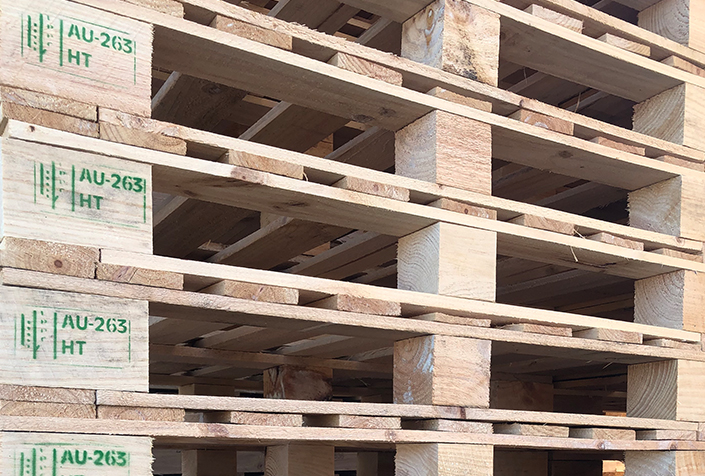
- Compliance: Many recycled pallets are ISPM-15 compliant for export
CMTP ensures that recycled pallets meet all necessary standards for load-bearing, hygiene, and compliance — giving you peace of mind without compromising quality.
Who Should Consider Pallet Recycling?
Recycling is ideal for:
- Warehouses with high pallet turnover
- Businesses with unused or broken pallets on site
- Retailers looking to reduce waste
- Exporters seeking cost-effective shipping solutions
- Sustainability-focused operations and manufacturers
Whether you’re disposing of excess pallets or looking to source affordable ones, a recycling partnership can streamline your process.
CMTP’s Pallet Recovery & Recycling Program
CMTP provides a full-service pallet recovery and recycling solution:
- On-site pallet audits and collection
- Repair and reuse strategies for supply chain efficiency
- Custom recycling solutions by material, size, and load requirements
- Supply of second-hand and recycled pallets to reduce costs
- Disposal of non-repairable pallets in an environmentally responsible way
Learn more about CMTP’s timber pallet options or request a pickup to recycle your pallets today.
Final Thoughts
Pallet recycling is more than just an eco-friendly option. It’s a smart, cost-saving strategy that helps businesses meet compliance, reduce landfill contributions, and get more from their supply chain.
Whether you’re looking to dispose of used pallets or build a more sustainable operation, CMTP offers reliable recycling and recovery services across Australia. Have pallets to recycle or reuse? Get in touch with CMTP to start your sustainable pallet strategy today.