Introduction
When your business exports products internationally, the pallet under your goods plays a critical role in delivery, safety, compliance, and efficiency. The right export pallet helps protect your shipment, ensures that it moves smoothly through customs, and avoids costly delays. This guide explains how to choose export pallets suited for global trade, focusing on materials, standards, durability, and Australian compliance.
Why Export Pallets Matter
Export pallets are engineered to meet strict international standards, ensuring cargo integrity during long sea or air freight journeys. Poor-quality or non-compliant pallets can cause shipment rejections, fines, and logistical setbacks. Selecting appropriate, compliant pallets is therefore essential to safeguarding both your goods and your brand reputation.
For a closer look at CMTP’s certified export pallet options, visit our ISPM 15 Certified Pallets page.
Understanding International Export Pallet Standards
ISPM 15 Certification
ISPM 15 (International Standards for Phytosanitary Measures No. 15) is the global requirement that ensures timber packaging is treated to prevent pests and diseases. Under Australian regulation, export pallets must undergo either heat treatment or methyl bromide fumigation, followed by a clear ISPM 15 stamp.
Untreated or uncertified timber pallets can lead to quarantine hold-ups or rejections overseas. The Australian Government elaborates these rules in its Department of Agriculture biosecurity guide.
CMTP’s ISPM 15 pallets meet all international shipping compliance criteria.
Regional Sizing and Standards
Export pallet dimensions differ globally. Australian exporters often use:
- Asia and US: 1100 × 1100 mm or 1200 x 1000 Four way pallets
- Europe (EPAL): 1200 × 800 mm
Ensuring correct sizing is vital. Exporting with Australian domestic pallets can lead to inefficiencies in standard shipping containers, where international pallets maximise space and stability.
Choosing the Right Pallet Material
Timber Pallets
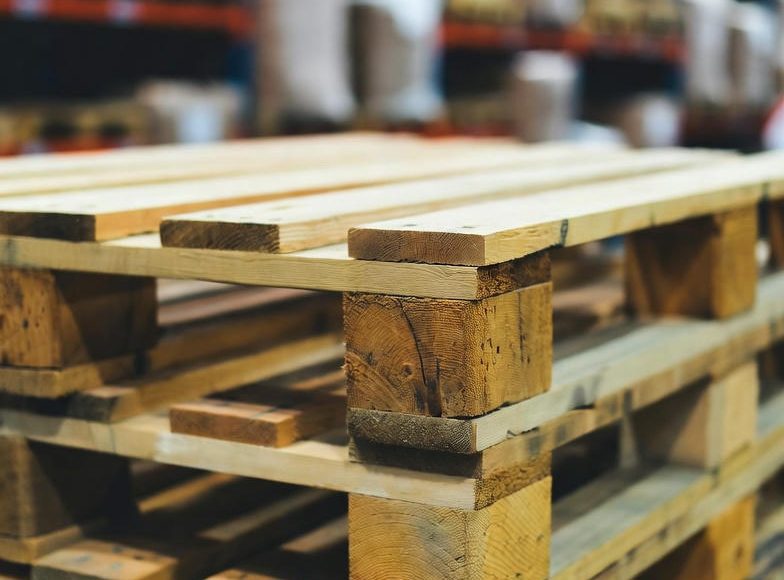
Wooden export pallets are the most common option for global shipping. They provide excellent load-bearing capacity and flexibility and are cost-efficient. CMTP’s timber pallets are heat-treated onsite for ISPM 15 compliance.
Best suited for: general manufacturing, machinery parts, bulk goods, food & fresh produce.
Plastic Pallets
Plastic export pallets are ideal for high-hygiene or moisture-sensitive shipments. They’re washable, durable, pest-free, and long-lasting, offering excellent stability for international distribution.
Best suited for: food, pharmaceuticals, and perishable exports.
Plywood & Composite Pallets
For lighter or non-sensitive shipments, composite options offer a cost-effective and eco-friendly alternative. They are exempt from ISPM 15 as they are manufactured from processed materials that are pest-free.
Best suited for: packaged goods and temperature-controlled cargo.
Assessing Pallet Quality and Design
A high-quality export pallet should demonstrate:
- Structural Integrity: capable of bearing heavy dynamic and static loads.
- Consistent Build: uniform size and strength for containerised freight.
- Moisture Resistance: reduces warping and wood degradation.
- Proper Labelling: stamped visibly with ISPM 15 treatment details.
CMTP designs export pallets with reinforced edges, precise joinery, and high-grade hardwoods—ensuring consistent durability in harsh sea transport conditions.
Factors to Consider When Selecting Export Pallets
1. Load Type & Weight
Match the pallet type to your cargo’s weight and stacking requirements. For example, heavy equipment may need robust timber pallets reinforced with steel or hardwood.
2. Destination Country Regulations
Each market enforces specific regulations—Europe may demand EPAL standards, while the US enforces USDA pest-free certifications. Using a certified pallet such as CMTP’s ensures entry compliance across these territories.
3. Cost vs. Durability
Though plastic pallets have a higher upfront cost, they deliver long-term benefits for repeat exports. Timber pallets, meanwhile, remain economical for one-way logistics.
4. Environmental Sustainability
Exporters increasingly seek environmentally responsible options. Recycled and heat-treated timber, and reusable plastic pallets, promote a circular supply chain and reduce landfill waste.
Why Partner With a Certified Manufacturer
When exporting internationally, it’s not enough to rely on generic suppliers. A certified Australian manufacturer like CMTP ensures pallets meet every international standard, have consistent build quality, and include traceability certification. With over 50 years of experience, the CMTP team offers tailored export pallet and packaging solutions for businesses across manufacturing, agriculture, mining, and logistics.
Conclusion
Choosing the right export pallet is about more than material selection—it’s about compliance, design precision, and trust in your supply partner. Every pallet must meet strict international shipping and biosecurity regulations, be robust enough for ocean freight, and protect your valuable cargo from origin to destination.
For export-ready ISPM 15 certified pallets, explore CMTP’s full pallet range or request a quote for customised export requirements.
FAQs About Export Pallets
What is an export pallet?
An export pallet is a specially constructed platform designed to handle goods shipped internationally while complying with import regulations.
Why is ISPM 15 certification important?
ISPM 15 ensures timber pallets are pest-free, reducing the risk of cross-border contamination and customs rejections.
Can plastic pallets be used for exports?
Yes. Plastic pallets are ideal for high-hygiene products and are exempt from ISPM 15 since they contain no untreated timber.
What pallet dimensions are used for international exports?
The 1100 × 1100 mm size is most common globally, while Europe uses the EPAL 1200 × 800 mm format.
What happens if I use non-compliant pallets?
Shipments may be held, quarantined, or destroyed at destination ports due to biosecurity breaches.
Are export pallets reusable?
Yes, high-grade plastic or timber export pallets withstand multiple uses if maintained and certified as pest-free.
How are export pallets treated for compliance?
Timber export pallets undergo heat treatment or fumigation to meet ISPM 15 phytosanitary compliance.
Do all countries accept the same pallet standard?
While ISPM 15 is globally recognised, regional size variations apply—verify with your shipping destination before export.
How can CMTP help with export shipping?
CMTP provides expertly constructed, ISPM 15-certified pallets designed for various industries and global markets.
Are there eco-friendly export pallet options?
Yes, CMTP offers pallets from renewable timber and recyclable materials that meet both environmental and international shipping standards.