Introduction
In the warehousing, shipping, and logistics sectors, understanding the distinction between skids vs pallets is crucial for selecting the correct equipment to meet your business needs. Although these terms are sometimes used interchangeably, skids and pallets have different structures and functions that significantly impact the safety, cost-efficiency, and functionality of your operations. This article delves into the key differences between skids and pallets, highlights their respective advantages, and guides you on choosing the right solution for your specific application.
What Is a Skid?
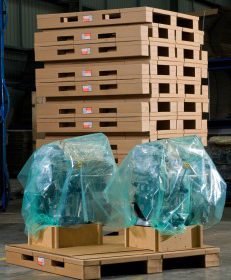
A skid is a simpler, lower platform that consists only of a top deck and bearers/stringers and without a bottom deck. Often referred to as “nestable pallets,” skids can be stacked within each other when empty to save storage space. Without a bottom deck, skids are lighter and easier to drag or reposition manually, making them well-suited for stationary or occasional use. Skids excel in applications that involve heavy machinery or equipment which needs to be moved short distances over uneven terrain, such as construction sites, sand, or industrial yards.
What Is a Pallet?
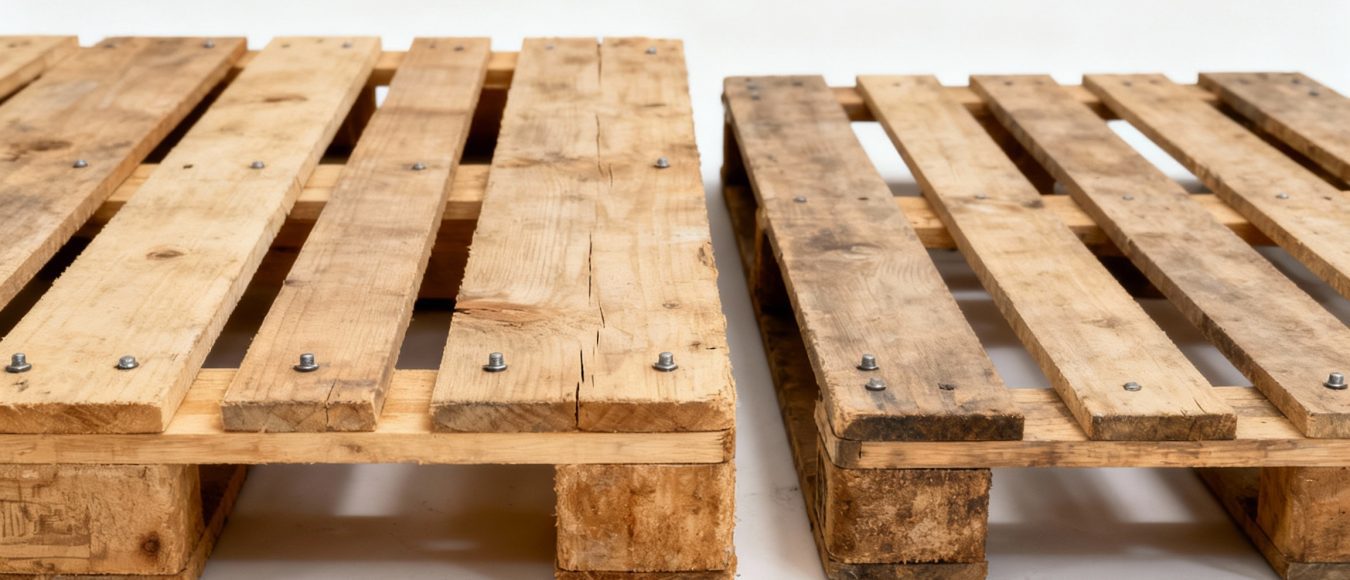
Unlike skids, pallets have both a top and bottom deck connected by stringers or blocks. This double-deck design offers enhanced stability and strength, allowing for the efficient stacking, handling, and transport of goods by forklifts or pallet jacks. Pallets distribute weight more evenly and can safely sustain heavier or uneven loads. Because of their robust construction, pallets are widely used in warehousing, freight shipping, and automated handling systems. They are typically easier to stack and more versatile for various logistics operations.
Key Differences Between Skids vs Pallets
| Feature | Skid | Pallet |
| Deck Structure | Single top deck | Double deck (top and bottom) |
| Stability | Less stable, suitable for stationary loads | More stable, supports stacking and handling |
| Handling | Easier to drag or reposition manually | Designed for forklifts and pallet jacks |
| Storage Efficiency | Nestable, saves storage space | Takes more space when empty |
| Load Capacity | Suitable for heavy, static loads | Ideal for dynamic loads and stacking |
| Typical Uses | Heavy machinery, industrial equipment, site storage | Warehousing, transport, freight, retail |
| Cost | Generally lower cost | Higher cost but versatile |
How to Choose the Right Solution
Choosing between a skid and a pallet depends heavily on your specific operational demands, including the nature of your cargo, handling equipment, storage space, and logistical processes. Here are guidelines to help you decide which solution suits your business needs best.
When to Choose a Skid
- You need a cost-effective, space-saving platform for static or semi-permanent loads. Skids nest within each other, saving storage space when not in use.
- Your operation involves heavy equipment or machinery that must be dragged or repositioned frequently over rough, uneven, or industrial terrains such as construction sites or factory floors.
- Storage space for empty platforms is limited, making nestable designs a practical choice.
- Your application does not require stacking loaded platforms vertically, as skids lack the bottom deck needed for stable stacking.
When to Choose a Pallet
- You require a stable platform capable of carrying heavy or uneven loads safely, designed with both a top and bottom deck for enhanced strength.
- Your handling equipment includes forklifts or pallet jacks, which rely on the pallet’s structural design for safe and efficient load movement.
- You need to stack goods vertically to optimise warehouse space, taking advantage of pallets’ stable stacking compatibility in racking systems.
- Your business involves frequent shipping, transportation, or automated warehouse operations, where pallets facilitate quick loading, unloading, and handling across multiple touchpoints.
Additional Considerations
When selecting between skids vs pallets, consider not only your current operational needs but also future scalability. Pallets are better suited for automated warehouse systems and high-throughput environments, providing versatility and compliance with international shipping standards. Skids, while simpler and cost-effective, serve best in static or less mechanised settings where flexibility and ease of movement on uneven terrain are priorities. Budget constraints may also influence the decision, as skids generally have lower upfront costs, but pallets may offer better long-term value by reducing product damage and improving handling efficiency.
Understanding the materials and construction quality is also vital. Both skids and pallets can be made from wood, plastic, or metal, each with distinct advantages related to durability, hygiene, and environmental impact. Customisation options exist for both to suit specialised requirements such as heavy machinery transport or food-grade applications, making it important to consult with suppliers experienced in tailored packaging solutions.
Conclusion
Both skids and pallets have essential roles in logistics and warehousing, and choosing the correct one depends on your unique needs. Skids offer simplicity, ease of movement, and space-saving benefits ideal for static and bulky machinery. Pallets provide superior strength, stability, and versatility for dynamic loads, stacking, and mechanized handling. Assess your cargo, handling methods, storage space, and budget to make an informed choice that enhances operational safety and efficiency.
FAQs
Q1: Can I use skids with forklifts?
Yes, but they are generally not as safe to lift as a pallet.
Q2: Are pallets compatible with all warehouse equipment?
Yes, pallets are designed for standard handling equipment like forklifts and pallet jacks.
Q3: Which is more cost-effective: skid or pallet?
Skids typically have lower upfront costs, but pallets may offer better durability and handling benefits.
Q4: Can skids be stacked when loaded?
No, skids lack a bottom deck and are unsuitable for stacking loaded units vertically.
Q5: What materials are available for pallets and skids?
Both can be made from wood, plastic, or metal depending on durability and hygiene needs.
Q6: Are pallets better for export shipments?
Yes, pallets often comply with international standards like ISPM 15, essential for exports.
Q7: How do I decide which to use for heavy machinery?
Skids are preferred for heavy equipment moved over uneven surfaces, while pallets suit heavy but stable loads.
Q8: Can skids save space in storage?
Yes, their nestable design allows for efficient storage of empty units, saving warehouse space.
Q9: Is customisation available for skids and pallets?
Yes, many suppliers offer custom dimensions and materials to meet specific logistics challenges.
Q10: What’s the environmental impact of skids vs pallets?
Wooden skids and pallets have low carbon footprints; plastic and metal variants vary in sustainability profiles.