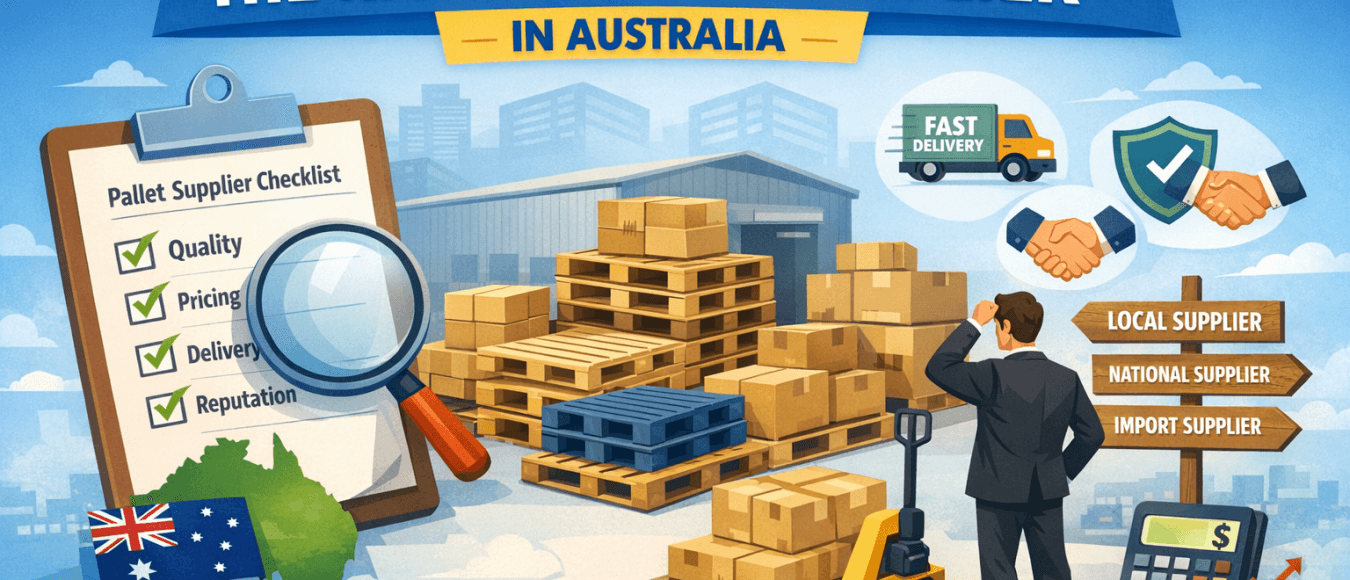
Choosing the right pallet supplier in Australia is a critical decision for manufacturers, exporters, and logistics teams. Pallets are not just a transport accessory. They directly impact product protection, compliance, efficiency, and supply chain reliability. A poor pallet supplier can lead to damaged goods, export delays, and production downtime. The right supplier becomes a long-term partner that supports growth and operational stability.
For Australian businesses, selecting a pallet supplier should be based on far more than price alone. It requires confidence in quality, compliance, capacity, and the supplier’s ability to meet changing operational demands.
Understand your pallet requirements before selecting a supplier
Before engaging a pallet supplier, it is essential to understand how the pallets will be used across your operation. Pallet requirements vary significantly depending on product weight, handling equipment, storage conditions, and whether goods are transported locally or exported overseas.
A reliable pallet supplier will take the time to understand these factors and recommend solutions that suit your application. This may include standard timber pallets, export compliant pallets, plastic pallets, cardboard pallets, or fully custom engineered designs. The goal is to ensure the pallet performs consistently throughout transport, storage, and handling without unnecessary cost or risk.
CMTP works closely with customers to design and manufacture pallet solutions that suit specific operational needs, from high volume domestic distribution to complex industrial and export applications.
Verify compliance with Australian and international standards
Compliance is one of the most important considerations when choosing a pallet supplier in Australia, particularly for exporters and food related industries. Non compliant pallets can result in quarantine delays, rejected shipments, and financial penalties.
Export pallets must meet ISPM 15 requirements, which confirm that timber has been heat treated to prevent the spread of pests. Businesses operating in food, pharmaceutical, and produce sectors should also ensure their pallet supplier holds HACCP certification to meet hygiene and safety requirements.
A reputable pallet supplier will clearly communicate their certifications and manage compliance as part of their service. CMTP is certified to ISO 9001, ISPM 15, and HACCP standards, giving customers confidence that pallets meet strict Australian and international requirements.
For further information on export pallet compliance, the Australian Government provides guidance on ISPM 15 standards.
Assess consistency, capacity, and national coverage
As businesses grow, pallet supply requirements often become more complex. What works for a single site or low volume operation may no longer be suitable when demand increases or operations expand across multiple locations.
Consistency in quality and supply is critical. Pallets must meet specification every time and be delivered reliably, even during peak demand periods. A pallet supplier with limited capacity or only one manufacturing site may struggle to support growing or multi site businesses.
CMTP operates multiple manufacturing facilities across Australia, allowing them to support customers with consistent quality, fast turnaround times, and national coverage. This is particularly valuable for businesses requiring just in time delivery or standardised pallet supply across states.
Look for custom design and engineering capability
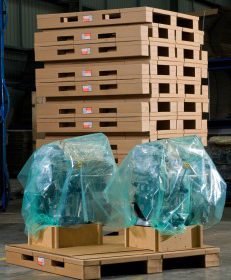
Not all pallet requirements can be met with standard designs. Businesses transporting heavy machinery, sensitive equipment, or irregular loads often benefit from custom pallets that improve load stability and reduce damage.
An experienced pallet supplier should offer design and engineering support to optimise pallet performance. This includes load analysis, timber optimisation, and prototyping before full production. Well designed pallets can reduce freight damage, improve handling safety, and lower overall logistics costs.
CMTP offers integrated design and engineering services that allow customers to develop custom pallet solutions tailored to their products and transport conditions.
Evaluate lead times and reliability
Lead times play a direct role in supply chain efficiency. Delays in pallet supply can stop production lines, delay shipments, and increase operational costs.
When choosing a pallet supplier, it is important to understand how lead times are managed and whether the supplier manufactures locally. Suppliers with automated production and multiple sites are typically better equipped to maintain consistent supply during periods of high demand.
CMTP’s local manufacturing model and scalable production capability help ensure reliable delivery, even during peak periods.
Consider sustainability and responsible sourcing
Sustainability is increasingly important for Australian businesses. Choosing a pallet supplier that sources timber responsibly and minimises waste supports environmental commitments while maintaining performance.
A quality pallet supplier should be transparent about material sourcing, recycling options, and waste reduction practices. Timber pallets, when sourced and managed correctly, are a sustainable and recyclable packaging solution.
CMTP focuses on responsible timber sourcing and efficient manufacturing processes to reduce environmental impact without compromising strength or compliance.
Choose a pallet supplier that acts as a long term partner
The best pallet suppliers do more than manufacture pallets. They work as long term partners who understand your business, anticipate challenges, and provide solutions that support operational efficiency and growth.
This includes proactive communication, consistent quality, and the ability to scale as your requirements change. CMTP’s family owned approach combined with national capability allows them to build strong, long term relationships with Australian businesses across a wide range of industries.
Frequently Asked Questions
What should I look for in a pallet supplier in Australia?
Look for proven compliance certifications, consistent manufacturing quality, reliable lead times, and the ability to customise pallets to suit your application.
Do pallets need to be ISPM 15 compliant for export?
Yes. Pallets used for international export must be heat treated and certified to ISPM 15 standards to meet quarantine requirements.
Are custom pallets better than standard pallets?
Custom pallets can reduce product damage, improve handling efficiency, and lower total logistics costs when loads or conditions fall outside standard specifications.
Why is HACCP certification important for pallets?
HACCP certification is essential for food and pharmaceutical industries as it ensures pallets meet hygiene and safety requirements.
Can one pallet supplier support multiple locations?
Suppliers with national manufacturing capability can provide consistent quality and service across multiple sites, simplifying procurement and logistics.
How do lead times affect supply chain performance?
Unreliable lead times can halt production and delay deliveries. A dependable pallet supplier helps maintain smooth operations.
Are timber pallets a sustainable option?
When responsibly sourced and managed, timber pallets are recyclable and environmentally sustainable.
Which industries require specialised pallet solutions?
Manufacturing, mining, food and produce, pharmaceuticals, and export focused businesses often require specialised pallet designs.
Why choose an Australian pallet manufacturer?
Australian manufacturers offer faster lead times, better quality control, and clearer communication compared to offshore suppliers.
Choose a pallet supplier you can rely on
Selecting the right pallet supplier in Australia is about protecting your products, meeting compliance requirements, and maintaining reliable operations. A supplier who understands your business and delivers consistent quality becomes a critical part of your supply chain.
CMTP has decades of experience supporting Australian businesses with compliant, reliable, and custom pallet solutions nationwide. To discuss your pallet requirements, request a quote today.