Introduction
Efficient and safe pallet stacking and storage are vital for maintaining workplace safety, preserving the quality of goods, and optimising warehouse operations. Poor stacking can lead to accidents, product damage, and costly operational delays. This guide outlines key best practices that Australian businesses can adopt to ensure their pallet stacking and storage processes are both effective and safe.
Why Proper Pallet Stacking Matters
Correct pallet stacking is crucial for maintaining a safe working environment, protecting goods, and ensuring efficient warehouse operations. Poor stacking practices can lead to pallets toppling or collapsing, which are among the most common causes of workplace injuries. Accidents resulting from unstable stacks not only pose a risk of serious harm to workers but also disrupt operational workflows and inflate costs due to downtime and damage claims.
Properly stacked pallets stabilise loads, minimising the risk of items shifting or falling during handling, storage, or transport. This protection extends the lifespan of goods and packaging, reduces scrap or returns, and helps maintain the quality and integrity of products throughout the supply chain.
Additionally, well-executed pallet stacking optimises the use of available warehouse space. Vertical stacking utilises overhead space efficiently, allowing for greater storage density without expanding physical footprints. This consolidation supports smoother stock management, faster order picking, and more accessible inventory, ultimately enabling quicker dispatch and delivery to customers.
Beyond safety and storage benefits, adherence to pallet stacking best practices promotes compliance with occupational health and safety regulations, mitigating legal risks and fostering a culture of workplace safety.
Preparing Pallets for Safe Stacking
Inspect pallets for damage
Safety begins with preparation. Before stacking pallets, always inspect them thoroughly for any damage such as cracks, splinters, or broken boards. Using damaged pallets weakens the entire stack and increases the chances of collapse. Damaged pallets should be taken out of circulation immediately, repaired by qualified personnel, or replaced.
Clean pallets
Clean pallets are essential to maintain load stability and product quality. Dirt, debris, moisture, or residue can cause pallets to slip or shift unexpectedly in the stack, leading to accidents or damage. Keeping pallets clean, dry, and free of contaminants also prevents the transfer of pests and contamination—particularly important in food, pharmaceutical, and export industries.
Use pallets suited to load type and weight
Ensure you select pallets that are suited to the type of load and its weight. Different pallets have varying load-bearing capacities influenced by their material (wooden pallet, plastic pallet, metal), construction, and condition. Always use pallets designed for your specific weight requirements to avoid overloading and structural failure.
Place pallets on level and stable surfaces
Finally, place pallets on level and stable surfaces before stacking. Uneven floors or unstable ground cause pallets to tilt or lean, compromising the integrity of your stack. Warehouse floors should be regularly maintained to provide firm footing for pallet stacks.
Pallet Stacking Best Practices
- Even Weight Distribution: Always stack pallets so that the heaviest pallets and items are on the bottom, gradually reducing weight moving upwards. This lowers the centre of gravity, increasing stack stability and preventing tipping.
- Align Pallets Correctly: Pallets should be stacked directly on top of each other with edges perfectly aligned. Avoid overhangs or offset pallets that create imbalance and shifting. Proper alignment ensures load integrity and safe handling.
- Stack Height Limits: Follow Australian Standard AS 4084:2023 guidelines, which recommend not stacking pallets higher than 2.5 metres unless workplace risk assessments confirm the stability and safety of taller stacks. Overheight stacks endanger workers and are prone to collapse.
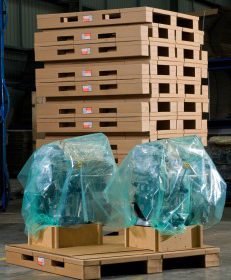
- Secure Loads: Use stretch wrap, corner boards, or straps to stabilise and secure pallets in the stack. These securing methods help prevent pallet loads from shifting or falling during handling or transport.
- Keep Aisles Clear: Maintain clear aisles and access routes to prevent collision risks, ease forklift navigation, and enable quick emergency access. Cluttered work areas contribute to accidents and reduce operational efficiency.
Storage Strategies for Efficiency and Safety
- Separate Pallet Types: Store wooden, plastic, metal, and cardboard pallets separately to prevent cross-contamination, damage, or chemical exposure. This organisation also simplifies retrieval and inspection processes.
- Regular Inspections and Audits: Conduct frequent checks on pallet stacks, racking systems, and storage conditions to proactively identify hazards such as damaged pallets, unstable stacks, or overcrowded aisles. Enforcement of regular audits fosters ongoing compliance with safety standards.
- Implement Training Programs: Proper training of all personnel in correct stacking techniques, safe equipment operation, hazard identification, and reporting protocols is essential. Training builds a safety-focused culture that reduces accidents and improves handling efficiency.
- Label and Signpost: Use clear signage to indicate maximum stack heights, weight restrictions, and special handling instructions. Labels should be easily visible and updated regularly to ensure all staff adhere to stacking and storage protocols.
FAQs
Q1: What should I check before stacking pallets?
Inspect pallets for damage, ensure cleanliness, verify load compatibility, and confirm stable, level floor surfaces.
Q2: Can pallets be double-stacked?
Yes, if the pallets and loads are stable, and safety guidelines for weight and height are strictly followed.
Q3: Why is load alignment important?
Proper alignment avoids overhangs, which can cause load instability and risk workplace injuries.
Q4: How often should pallet stacks be inspected?
Stacks should be checked regularly, at least weekly, or following heavy use or adverse conditions.
Q5: What materials are best for wrapping loaded pallets?
Stretch wrap, corner boards, and strapping are commonly used to secure loads effectively.
Q6: How do clear aisles improve safety?
They reduce collision risks, facilitate emergency access, and allow safe forklift operation.
Q7: What training do warehouse staff require for pallet stacking?
Training on correct stacking techniques, hazard identification, equipment operation, and emergency procedures is essential.