Introduction
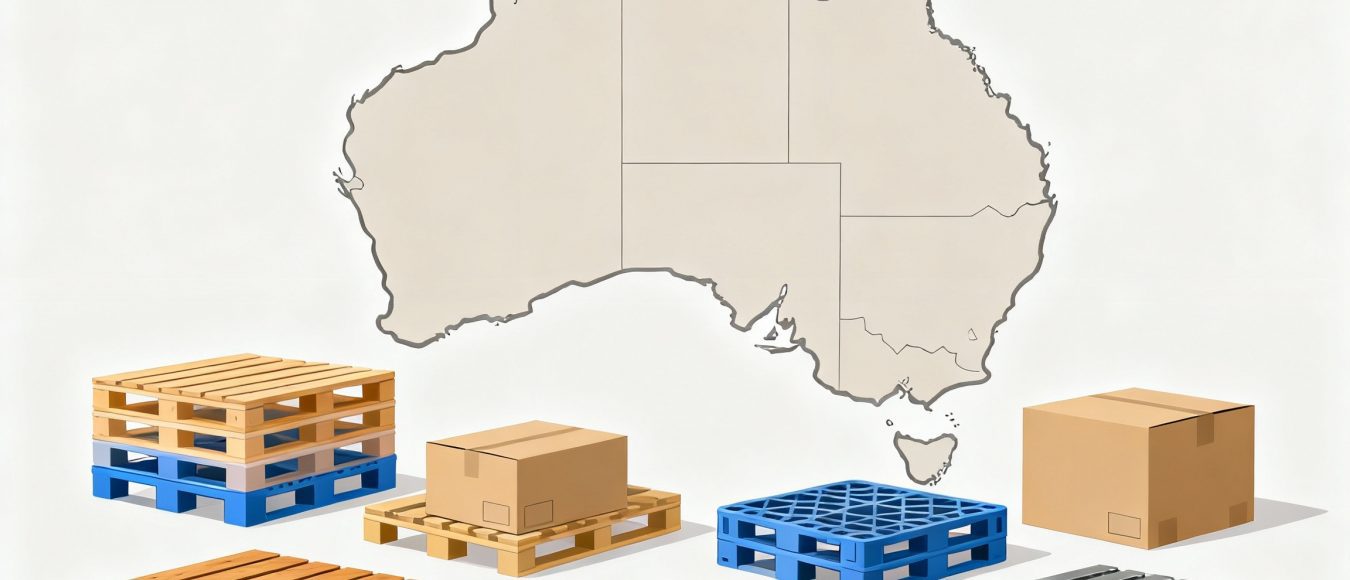
Pallets are indispensable assets in the Australian logistics and supply chain landscape, playing a crucial role in the efficient movement, handling, and storage of goods across diverse industries. From manufacturing plants and food processing facilities to mining sites and construction projects, pallets enable safe, standardised transport and storage solutions. Choosing the right type of pallet is not just a matter of convenience; it can significantly influence logistics costs, prevent product damage, and ensure compliance with national and international standards such as ISPM 15. This comprehensive guide introduces the common types of pallets used in Australia, explores their key features, and offers practical advice on selecting the best pallet option tailored to your business requirements.
Why Pallet Choice Matters
Selecting the correct pallet type is fundamental to safeguarding the integrity of your goods throughout the supply chain. Different pallets are designed to accommodate varying load capacities, environmental conditions, and industry regulations. For instance, the food and pharmaceutical sectors often require pallets constructed from hygienic materials like plastic or kiln dried timber, whereas heavy industrial loads benefit from robust hardwood pallets. Moreover, export pallets must comply with ISPM 15 standards to mitigate pest risks and clear customs efficiently. Proper pallet selection not only optimises transport efficiency by enabling effective stacking and handling but also reduces the likelihood of costly damage, loss, or regulatory penalties. A clear understanding of pallet options supports businesses in sectors such as manufacturing, food and beverage, mining, and construction to design supply chains that are safe, efficient, and compliant.
Common Types of Pallets in Australia
1. Wooden Pallets
Wooden pallets remain the most traditional and widely used option in Australia due to their strength, versatility, and cost-effectiveness. They can be custom-built to specific dimensions and easily repaired if damaged, making them a flexible choice for many industries. Wooden pallets are typically divided into two categories:
- Softwood pallets: These are commonly made from pine or other soft timber species. They are lightweight, affordable, and ideal for domestic transport and light to medium weight goods. Their availability and cost make them a popular choice in logistics where load requirements are moderate.
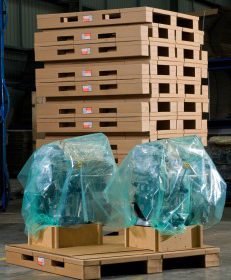
- Hardwood pallets: Constructed from denser and more durable timber, hardwood pallets provide superior strength and longevity. They are well-suited for heavy-duty applications, repeated use, and compliance with international shipping standards, including export pallets. Hardwood pallets are especially useful for industries handling heavy machinery or construction materials.
2. Plastic Pallets
Plastic pallets are gaining popularity in sectors that prioritise hygiene, reusability, and durability—such as the pharmaceutical, food processing, and clean room industries. They are highly resistant to moisture, chemicals, insects, and mould, which helps maintain product integrity and safety. Plastic pallets generally weigh less than wooden pallets, improving handling and transport efficiency, although their upfront cost is much higher. Their non-porous surfaces simplify cleaning and sanitation, making them compliant with strict food safety regulations.
3. Cardboard Pallets
Primarily used for lightweight or single-use applications, cardboard pallets are an economical and eco-friendly option supporting sustainable logistics strategies. They are commonly employed in air freight and retail sectors, where low pallet weight is critical to reducing shipping costs. Although less durable than wood or plastic pallets, cardboard pallets are fully recyclable and biodegradable, aligning with environmental goals for businesses that ship light loads or require disposable pallets.
4. Metal Pallets
Metal pallets, often made from steel or aluminium, are utilised in heavy-duty and specialised industries where strength, longevity, and weather resistance are critical. These pallets do not rot, splinter, or absorb moisture, making them ideal for harsh environments, long-term outdoor storage, and applications requiring stringent sanitation, such as chemical or food industries. However, their weight and cost are significantly higher than other pallet types, which can affect transport expenses.
5. Export Pallets (ISPM 15 Compliant)
For businesses involved in international trade, export pallets must comply with ISPM 15 (International Standards for Phytosanitary Measures No. 15). This certification requires pallets to be heat treated or fumigated to prevent pest contamination during cross-border shipping. Australian exporters typically use pallets fixed at 1100 mm x 1100 mm size, treated to meet these standards, ensuring smooth customs clearance and reduced quarantine risks. Export pallets may vary in dimension and strength depending on destination country requirements and the nature of the cargo.
How to Choose the Right Pallet
Choosing the right pallet for your business is a critical decision that influences product safety, supply chain efficiency, compliance, and overall logistics cost. To make an informed choice, it is important to consider your industry requirements, cargo characteristics, load capacity, pallet size, and sustainability or regulatory considerations.
Consider Your Industry and Cargo
Different industries have varying pallet needs based on the nature of their cargo and compliance mandates:
- Heavy machinery or construction materials generally require sturdy pallets made from hardwood or metal to support their weight and resist damage. These pallets ensure safe handling and transportation of bulky, heavy items while withstanding rough conditions onsite or in transit.
- Food and pharmaceutical products typically prioritise hygiene and contamination prevention, making plastic or specially treated wooden pallets the preferred choice. Plastic pallets are non-porous, easy to clean, chemically inert, and USDA/FDA compliant for food contact. Treated wooden pallets meet safety standards while allowing for traditional wooden pallet benefits.
Load Capacity and Size Requirements
- Match pallet size with handling equipment and racking systems to optimise warehouse space and material handling efficiency. In Australia, the most common pallet size is the square 1165 mm x 1165 mm pallet, designed to fit logistical equipment and transport vehicles seamlessly.
- Consider the weight and stability of your load to select pallets with sufficient strength and design features (e.g., block vs stringer pallets) that enable safe stacking and reduce risk of product damage or workplace accidents. A pallet too weak for the load may collapse, while oversized pallets reduce transport efficiency.
Compliance and Sustainability
- For export shipments, ensure pallets are ISPM 15-certified to meet international phytosanitary standards, preventing pest transfer across borders. ISPM 15-certified pallets are heat-treated or fumigated and clearly marked, facilitating hassle-free customs clearance.
- Opt for recyclable, reusable, or sustainably sourced pallets to align with environmental policies and reduce your business’s carbon footprint. Many suppliers now offer pallets made from recycled materials or sustainably managed timber, supporting circular economy initiatives.
- Investigate local regulations or industry-specific standards that may require particular pallet treatments or sizes, especially in food processing, pharmaceuticals, or hazardous goods logistics.
Important Links
- CMTP Pallet Services in Melbourne
- What Size Pallet Should You Use in Australia?
- ISPM-15 Explained: Exporting Pallets the Compliant Way
FAQs
Q1: What is the difference between hardwood and softwood pallets?
Hardwood pallets are stronger and more durable, suitable for heavy loads, while softwood pallets are lighter and typically used for lighter loads.
Q2: Are plastic pallets better than wooden pallets?
Plastic pallets are more hygienic and durable in wet or chemical environments but cost more upfront than wooden pallets.
Q3: What does ISPM 15 certification mean?
ISPM 15 certifies that pallets used for export meet pest control requirements, often through heat treatment or fumigation.
Q4: Can cardboard pallets be reused?
Cardboard pallets are usually designed for single-use but can sometimes be recycled or composted.
Q5: How do I know the right size pallet for my business?
Consider your cargo dimensions, storage space, and handling equipment to select a pallet size that maximizes efficiency.
Q6: Are metal pallets common in Australia?
They are less common but used in industries requiring heavy-duty pallets resistant to extreme conditions.
Q7: Are wooden pallets recyclable?
Yes, wooden pallets can be recycled or repaired and reused multiple times.
Q8: What industries benefit most from plastic pallets?
Food, pharmaceutical, and clean room industries favour plastic pallets for hygiene and compliance.
Q9: How often should pallets be inspected?
Regular inspections ensure pallet safety, especially for reused or export pallets.
Q10: Can I customize pallets for specific loads?
Yes, custom pallets can be designed with special materials and dimensions to suit unique cargo requirements.