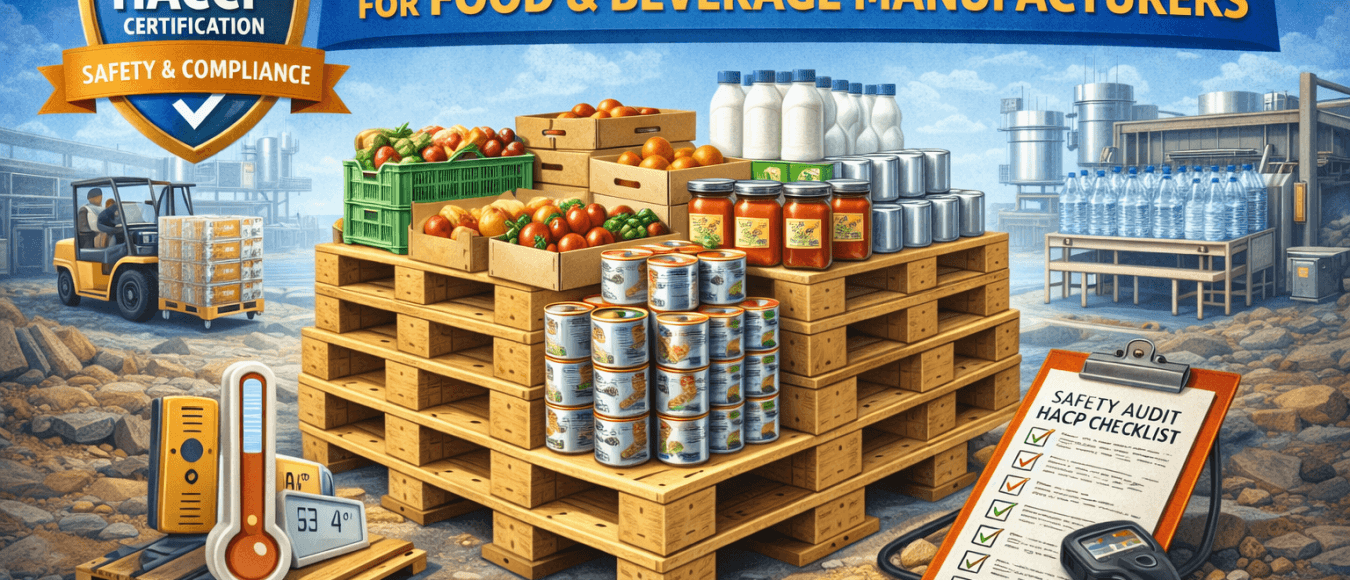
For food and beverage manufacturers, compliance is not optional. Every part of the supply chain must support food safety, audit readiness, and contamination control, including the pallets used to store and transport products. HACCP certified pallets play a critical role in reducing risk, protecting brand reputation, and meeting strict food safety standards across manufacturing, warehousing, and distribution.
HACCP certified pallets are specifically designed and verified to support Hazard Analysis and Critical Control Point principles. They help manufacturers identify and control potential contamination risks before they become costly problems. For businesses operating in regulated food environments, pallet choice directly impacts audit outcomes, hygiene protocols, and customer confidence.
Why HACCP Certification Matters in Food Manufacturing
HACCP, which stands for Hazard Analysis and Critical Control Point, is a globally recognised food safety framework focused on prevention rather than correction. It identifies biological, chemical, and physical hazards that could compromise food safety and puts controls in place to eliminate or reduce those risks.
In food and beverage manufacturing, pallets are often overlooked as a potential contamination point. Standard pallets can harbour moisture, bacteria, pests, or foreign matter if they are not designed for hygienic environments. HACCP certified pallets address these risks by meeting defined hygiene and handling requirements that align with food safety programs and audit expectations.
Using HACCP certified pallets demonstrates due diligence. It shows auditors, customers, and regulators that food safety controls extend beyond production lines and into storage and logistics processes. This is especially important for manufacturers supplying supermarkets, export markets, or food service brands with strict supplier approval criteria.
For a general overview of HACCP principles and how they apply to food safety systems, this Wikipedia reference provides useful background.
What Makes a Pallet HACCP Certified
HACCP certified pallets are manufactured and assessed to support hygienic handling and contamination prevention. Their design minimises areas where dirt, moisture, or bacteria can accumulate and allows for effective cleaning and sanitisation.
Materials and construction methods are selected to suit food environments, whether that involves smooth surfaced plastics, treated timber, or engineered designs that reduce splintering and debris. Certification also considers how pallets perform under regular washdown regimes and repeated handling in production and warehouse settings.
At CMTP, HACCP certification is supported through the Pal-giene manufacturing process, which focuses on hygiene control, material integrity, and traceability. CMTP is the only pallet supplier in Australia with HACCP International certification, providing an added layer of assurance for food and beverage manufacturers operating under strict compliance frameworks.
Check the CMTP’s full range of pallet solutions.
Benefits of HACCP Certified Pallets for Food and Beverage Manufacturers
HACCP certified pallets reduce contamination risk by supporting clean handling practices throughout the supply chain. This lowers the likelihood of product damage, recalls, or failed audits caused by avoidable hygiene issues.
They also simplify audit processes. When pallets are already certified for food safety use, manufacturers can demonstrate compliance more easily during third party audits and customer inspections. This saves time, reduces operational stress, and supports consistent audit outcomes across multiple sites.
From a commercial perspective, certified pallets protect brand reputation. Food safety incidents can lead to lost contracts, reputational damage, and significant financial impact. Using HACCP certified pallets is a proactive measure that supports long term customer trust and operational continuity.
CMTP’s national manufacturing footprint also ensures consistent pallet standards across regions, which is particularly valuable for manufacturers operating multiple facilities or supplying national customers.
Choosing the Right HACCP Certified Pallet
The right pallet depends on product type, handling requirements, and environmental conditions. Some food manufacturers prefer plastic pallets for their non porous surfaces and ease of sanitisation, while others require engineered timber pallets that meet HACCP requirements and specific load capacities.
Cold chain operations, washdown environments, and export applications each place different demands on pallet performance. Working with a supplier that understands these variables ensures the pallet solution supports both compliance and efficiency.
CMTP works with food and beverage manufacturers to design HACCP certified pallets that align with production workflows, hygiene programs, and logistics requirements. This includes custom designs where standard pallets do not meet operational needs.
Frequently Asked Questions
What are HACCP certified pallets?
HACCP certified pallets are pallets that have been independently assessed to support food safety programs by reducing contamination risks and aligning with Hazard Analysis and Critical Control Point principles.
Are HACCP certified pallets required for food manufacturers in Australia?
While not always legally mandated, HACCP certified pallets are often required by customers, auditors, and quality assurance programs, particularly in food processing, export, and cold chain environments.
How do HACCP certified pallets reduce contamination risk?
They are designed to minimise moisture retention, bacterial growth, and physical debris, making them easier to clean and safer to use in food handling areas.
Can HACCP certified pallets be used in cold storage?
Yes. Many HACCP certified pallets are suitable for cold rooms and freezer environments and maintain their integrity under temperature controlled conditions.
Are plastic pallets better than timber pallets for HACCP environments?
Both can be HACCP compliant when manufactured correctly. Plastic pallets offer smooth, non porous surfaces, while engineered timber pallets can meet HACCP standards with the right treatments and controls.
Do HACCP certified pallets help with food safety audits?
Yes. They provide clear evidence of proactive risk management and support compliance during internal and external audits.
Can HACCP certified pallets be custom made?
Yes. Custom HACCP certified pallets can be designed to suit specific product weights, dimensions, and hygiene requirements.
How often should HACCP certified pallets be cleaned?
Cleaning frequency depends on the environment and product risk, but regular inspection and sanitation are essential to maintain compliance.
Where can I source HACCP certified pallets in Australia?
CMTP supplies HACCP certified pallets nationally and supports food and beverage manufacturers with compliant, fit for purpose solutions.
HACCP Certified Pallets from CMTP
Food and beverage manufacturers cannot afford weak links in their supply chain. HACCP certified pallets provide a practical, preventative solution that supports compliance, audit readiness, and food safety confidence.
If you are reviewing your pallet standards or preparing for upcoming audits, speak with the CMTP team. We will help you select or design HACCP certified pallets that align with your operations and protect your products.