When exporting goods from Australia, wood packaging compliance is not optional. For logistics managers, one of the most common causes of shipment delays, inspections, and unexpected costs is non-compliant export pallets. ISPM 15 sets the global standard for how timber pallets and other wood packaging must be treated to prevent the spread of pests across borders.
If your pallets do not meet ISPM 15 requirements, your shipment may be held, reworked, returned, or destroyed at the destination port. This checklist is designed to help Australian logistics managers confidently verify ISPM 15 export pallet compliance and avoid costly disruptions.
What ISPM 15 Means for Export Pallets
ISPM 15 is an international phytosanitary standard developed under the International Plant Protection Convention. It applies to solid wood packaging materials thicker than 6 millimetres, including pallets, crates, skids, and dunnage used in international trade.
In Australia, ISPM 15 compliance is enforced through export biosecurity controls and is recognised by most trading partners worldwide. Any timber pallet used for export must be treated, certified, and marked correctly before it leaves the country.
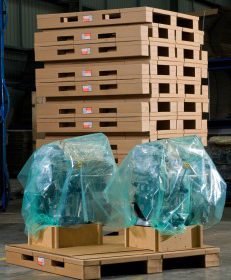
For exporters moving machinery, food products, pharmaceuticals, or industrial goods, compliant export pallets are essential for protecting both cargo and supply chain timelines.
Step One: Confirm the Pallet Is ISPM 15 Treated
The first compliance check is confirming that the pallet has been treated using an approved ISPM 15 method. Heat treatment is the most common process and requires the timber core to reach a minimum temperature for a specified period. Fumigation is less commonly used today and may be restricted in some markets.
If a pallet has not undergone an approved treatment, it cannot be used for export. Always source export pallets from a manufacturer that produces certified ISPM 15 pallets under audited conditions.
CMTP manufactures ISPM 15 certified export pallets designed specifically for Australian exporters shipping to global markets.
Step Two: Verify the ISPM 15 Stamp and Marking
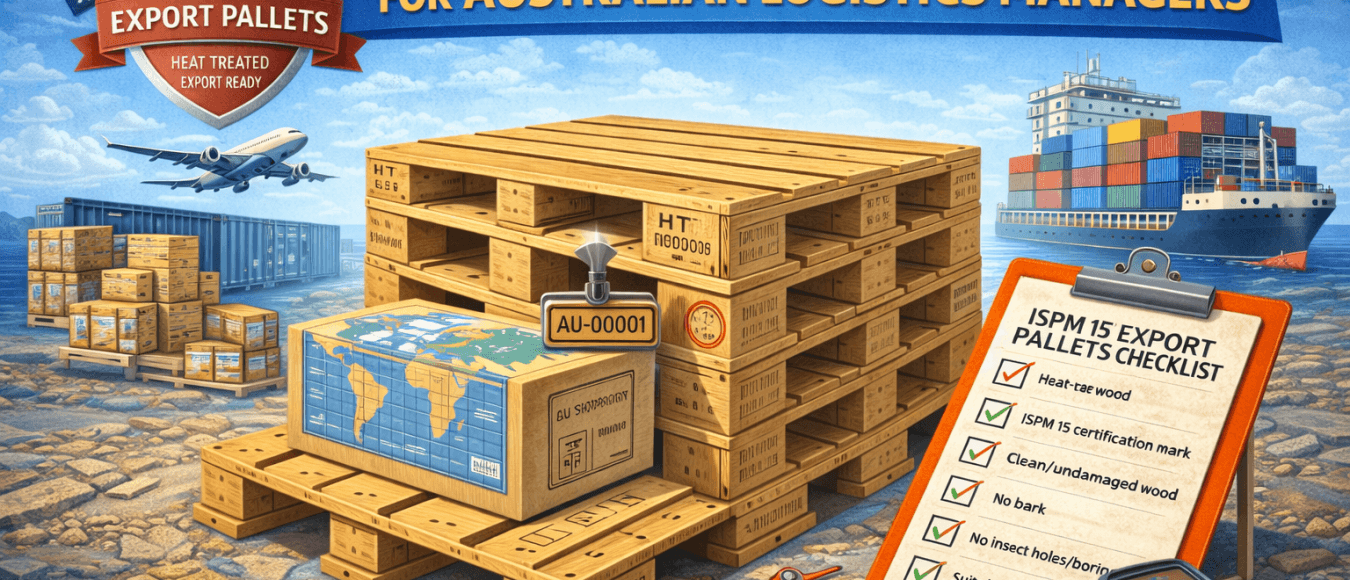
Every compliant export pallet must display a clear ISPM 15 stamp. This mark identifies the treatment method, country of origin, and the approved treatment provider. If the stamp is missing, damaged, or illegible, the pallet may be rejected even if it was originally treated correctly.
Before loading, logistics teams should visually inspect pallets to ensure the ISPM 15 mark is present on at least two sides and remains readable.
Step Three: Check Pallet Condition and Cleanliness
ISPM 15 compliance does not end after treatment. Pallets must remain free from pests, soil, bark, and contamination. Poor storage practices can compromise pallets even after certification.
Inspect pallets for signs of damage, infestation, or contamination before use. Cracked or heavily damaged pallets can raise red flags during inspection and increase the risk of non-compliance at the destination port.
Step Four: Match the Pallet to the Cargo and Industry Requirements
Different export industries have additional expectations beyond basic ISPM 15 compliance. Food, beverage, and pharmaceutical exporters often require pallets that manage moisture, hygiene, and handling risks while still meeting export standards.
CMTP’s Wine and Food XP Pallets are designed for export environments where cleanliness and moisture control are critical, while maintaining full ISPM 15 compliance.
Ensuring the pallet is fit for the cargo reduces damage, protects product integrity, and improves outcomes throughout the supply chain.
Step Five: Confirm Dimensions, Load Capacity, and Transport Suitability
Export pallets must suit both the cargo and the transport method. Incorrect sizing or insufficient load capacity can lead to handling issues, inefficient container packing, and increased freight costs.
Before dispatch, confirm that pallet dimensions align with container specifications and destination market preferences. Custom export pallets can improve container utilisation and reduce movement during transit.
Step Six: Ensure Export Documentation Is Complete and Accurate
ISPM 15 compliance must be supported by correct documentation. Export paperwork should clearly align with the physical shipment, including treatment confirmation where required by the destination country.
Incomplete or inconsistent documentation is a common cause of border delays. Maintaining accurate records supports faster customs clearance and reduces compliance risk.
Step Seven: Complete a Final Pre-Shipment Compliance Check
Before goods leave the warehouse, conduct a final inspection to confirm that all pallets are ISPM 15 treated, correctly stamped, clean, undamaged, and supported by accurate documentation.
Embedding this step into standard operating procedures helps logistics teams maintain consistency across shipments and reduces last-minute issues.
For Australian exporters managing high-value or time-sensitive freight, working with a supplier that understands export compliance is critical. CMTP supports logistics teams nationally with compliant export pallets designed for reliability and performance.
For additional guidance on international wood packaging standards, the International Plant Protection Convention provides detailed information on ISPM 15 requirements.
Frequently Asked Questions
What is ISPM 15 and why is it required for export pallets?
ISPM 15 is an international standard that regulates the treatment of wood packaging materials used in global trade. It prevents the spread of pests and is mandatory for most export shipments using timber pallets.
Do plastic pallets need ISPM 15 treatment?
No. Plastic, metal, and composite pallets are exempt from ISPM 15 because they do not pose a biosecurity risk.
Can untreated wooden pallets be used for export from Australia?
No. Untreated timber pallets are not compliant and may result in shipment delays, fines, or rejection at the destination port.
How can I identify an ISPM 15 compliant pallet?
Compliant pallets display an official ISPM 15 stamp showing the treatment method, country code, and certification details.
What happens if pallets fail inspection overseas?
Non-compliant pallets may be fumigated, reworked, returned, or destroyed, often at the exporter’s expense.
Is heat treatment better than fumigation?
Heat treatment is the preferred method globally due to environmental and regulatory considerations and is widely accepted by importing countries.
Are there additional requirements for food and pharmaceutical exports?
Yes. These industries often require pallets that manage hygiene and moisture risks in addition to ISPM 15 compliance.
Can export pallets be custom designed?
Yes. Custom export pallets can be engineered to suit cargo weight, handling requirements, and container optimisation.
How often should ISPM 15 compliance be reviewed?
Compliance processes should be reviewed regularly and before major shipments, especially when exporting to new markets.
Export with Confidence
ISPM 15 compliance protects your shipment, your reputation, and your supply chain timelines. If you need export-ready pallets that meet international standards and perform reliably across global routes, CMTP can help.
Explore CMTP’s range of ISPM 15 certified export pallets or speak with the team to discuss your export requirements today.